



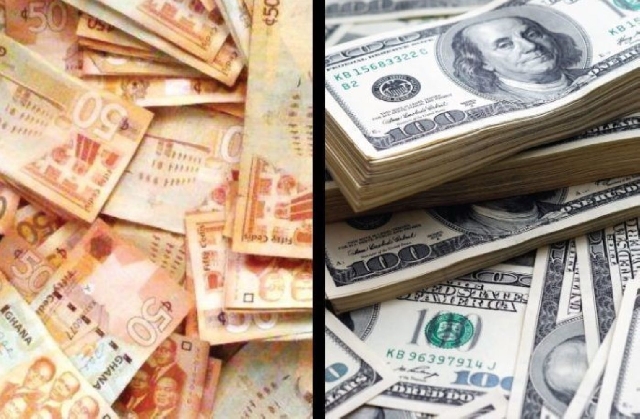
A new economic outlook forecasts a modest depreciation for the Ghanaian cedi this year, underpinned by gold-backed inflows and continued international support.
The Ghanaian cedi is expected to experience a relatively stable year in 2026, ending December trading at GH¢12.85 to the US dollar, according to a forecast by Databank Research. This represents a year-end depreciation of 7.20% against the American currency.
In its 2026 Economic Outlook, the research firm states that its projection is based on the absence of any systemic economic shocks. It factors in anticipated demand pressures from major importers, as well as scheduled payments in the energy sector and for Eurobonds.
A key pillar of this stable outlook is the expected impact of the central bank’s gold purchase programme. Databank Research’s forecast is anchored on a conservative estimate of approximately GH¢750 million in monthly foreign exchange inflows from GOLDBOD. These steady gold-backed inflows, the report suggests, will empower the Bank of Ghana to effectively manage market expectations and smooth out currency volatility.
The positive sentiment is further bolstered by Ghana’s continued engagement with the International Monetary Fund (IMF) and the World Bank. The report notes that this ongoing support is expected to maintain favourable market conditions for the cedi.
Global Shifts and the Future of Gold
Beyond domestic drivers, the analysis points to a significant global trend: a gradual move by central banks away from exclusive reliance on the US dollar as a reserve currency. It highlights China’s lead in increasing gold holdings amid uncertainties surrounding US policy.
This shift has sparked international discussions about reclassifying gold from a Tier 1 asset to a High-Quality Liquid Asset (HQLA). Such a move would officially validate its use as collateral in repo financing, strengthening its role in the global financial system.
“Although BRICS deliberations on this measure remain tentative, constrained by volatility, custody issues, and trust, its implementation would represent a structural shift in the global financial system,” the report states.
If adopted, this change could further reduce US dollar dominance and indirectly support the cedi by boosting Ghana’s reserve accumulation. However, Databank Research notes this remains a low-probability scenario for now.
Excluding this global structural shift, the firm maintains a neutral-to-positive outlook for the cedi. This is underpinned by tighter foreign exchange regulations and resilient reserve buffers, which the report concludes are sufficient to absorb moderate demand pressures throughout the year.

