



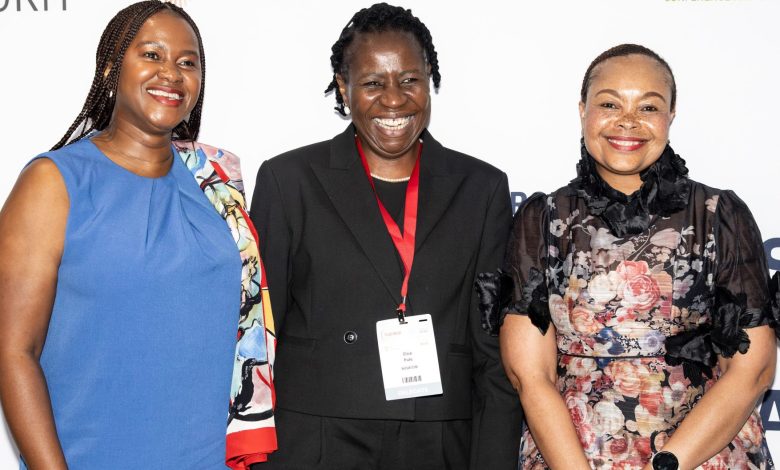
Nuclear energy experts from across the BRICS+ nations and Africa convened in Cape Town on March 5, 2026, for a high-level session focused on building the skilled workforce needed to support the continent’s growing interest in nuclear power generation.
The expert session, hosted by the BRICS Nuclear Platform on the sidelines of the Africa Energy Indaba 2026, brought together representatives from South Africa’s Department of Electricity and Energy, Eskom, the South African Nuclear Energy Corporation (Necsa), the Rwanda Atomic Energy Board, and international nuclear organizations including Rosatom and China National Nuclear Corporation.
Discussions centered on human capital development strategies, with participants emphasizing that Africa’s nuclear ambitions will require sustained investment in education, training, and technology localization.
Rosatom Highlights International Student Pipeline
Tatiana Terentyeva, Deputy Director General for Human Resources at Russian state nuclear corporation Rosatom, outlined the company’s extensive education partnerships, revealing that more than 2,400 students from 65 countries are currently enrolled in nuclear-related programmes at Rosatom-affiliated universities.
Notably, over 350 of these students hail from 24 African countries, reflecting growing continental interest in nuclear careers.
“Approximately 70 percent of international graduates return to their home countries to contribute to national energy programmes,” Terentyeva told attendees, emphasizing the importance of knowledge transfer in building sustainable local expertise.
Localization and Inclusion Take Center Stage
Panelists stressed that developing indigenous capacity to operate and manage nuclear facilities independently must be a priority for African nations pursuing nuclear energy. They called for long-term planning and sustained investment in young professionals entering the sector.
Gender representation emerged as a key concern, with experts acknowledging that women remain significantly underrepresented across the nuclear industry. Participants called for targeted initiatives to improve diversity and inclusion in the workforce.
New Cooperation Agreement Signed
In a significant development, Rosatom and Necsa signed a Memorandum of Understanding aimed at strengthening bilateral cooperation in human resource development. The agreement paves the way for joint training programmes and skills exchange initiatives.
Elsie Pule, Head Coordinator of the BRICS Nuclear Platform, announced that proposals raised during the session will guide the work of the Platform’s Skills and Talent Development Working Group moving forward.
Youth Engagement Initiative Launched
Pule also unveiled the “Atoms Empowering Africa” competition, a new regional initiative scheduled for 2026 designed to engage young Africans in nuclear energy through education, leadership development, and awareness campaigns.
The BRICS Nuclear Platform continues to serve as a collaborative mechanism for nuclear organizations from member countries and partners, promoting nuclear energy as a reliable low-carbon power source while facilitating international cooperation and knowledge exchange.
As African nations increasingly explore nuclear power to address energy security challenges, workforce development remains a critical enabler for the continent’s nuclear aspirations.

