



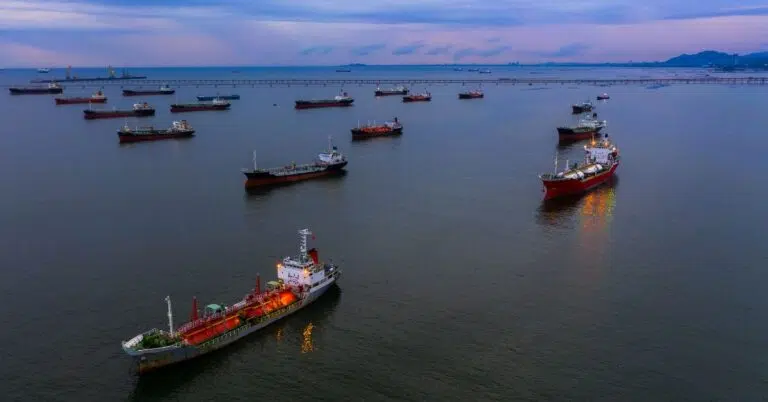
Iranian Foreign Minister Seyyed Abbas Araghchi announced today that the Strait of Hormuz is open to commercial shipping, provided that all transiting vessels cooperate fully with the Iranian Navy and local authorities.
The statement, made to Iranian state media ahead of the BRICS Foreign Ministers’ Meeting in New Delhi, marks the first formal outline of conditions for passage since the strait’s effective closure in late February. Araghchi placed responsibility for ongoing regional tensions squarely on the United States, accusing Washington of imposing an “illegal blockade” that disrupts Iranian ports and maritime activities.
“The difficulties around ship movements stem from American actions in the Gulf, not from any restrictions imposed by Iran,” Araghchi said. He further alleged that the U.S. has escalated the situation across the Gulf region and around the strait by targeting Iran and attempting to prevent its oil exports.
The foreign minister expressed hope for improved conditions if sanctions are lifted, but rejected U.S. demands regarding Iran’s uranium stockpile. “They want Iran to transfer its uranium, which is not acceptable. That is not negotiation; it is dictation,” he said.
Earlier this week, Iran’s Deputy Foreign Minister Kazem Gharibabadi echoed the stance, stating that Tehran operates within international law and that maritime safety and transparency would increase if regional tensions subside. He also criticized the Trump administration for failing to pursue “serious diplomacy.”
The crisis began on February 28, 2026, when Iran effectively closed the strait in retaliation for U.S. and Israeli attacks. The resulting decline in commercial traffic has spiked oil prices and sharply increased insurance premiums for vessels operating in the region.
Asian economies, particularly Vietnam, have reported severe impacts. Last week, Hanoi requested U.S. Navy assistance to allow an Iraqi oil tanker through what it described as a naval blockade, citing critically low domestic reserves.
The Strait of Hormuz is a vital chokepoint for global energy supplies, with approximately 20% of the world’s oil passing through it daily.


