



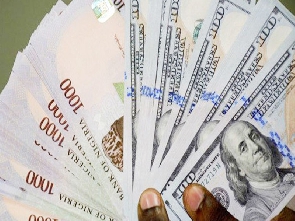
The Nigerian naira has strengthened against the United States dollar for the first time in recent weeks, signalling a potential shift in the country’s foreign exchange market following a prolonged period of volatility.
The gain comes after sustained downward pressure on the local currency, driven by strong demand for foreign exchange, rising inflation, and broader macroeconomic challenges. Analysts say the development may reflect early results from recent policy interventions aimed at stabilising the currency.
Authorities have introduced a series of foreign exchange reforms in recent months, including efforts to streamline exchange rate systems and attract greater foreign investment. The measures are intended to improve market liquidity and reduce speculative pressure on the naira.
Despite the positive movement, economists have urged caution, noting that a single appreciation does not guarantee a sustained recovery. They stress that long-term stability will depend on consistent policy implementation, stronger foreign exchange inflows, and improvements in underlying economic fundamentals.
As an oil-dependent economy, Nigeria’s forex market remains sensitive to fluctuations in global crude prices and domestic production levels. Experts say deeper structural reforms are still needed to insulate the currency from repeated shocks.
For households and businesses, the naira’s value against the dollar has direct implications for import costs, inflation, and living standards. While the recent appreciation offers a moment of relief, analysts warn that consumer uncertainty may persist unless stability is maintained.
Attention now turns to whether the naira can build on its recent gains or whether volatility will return as markets continue to react to both domestic policy developments and global economic trends.


