



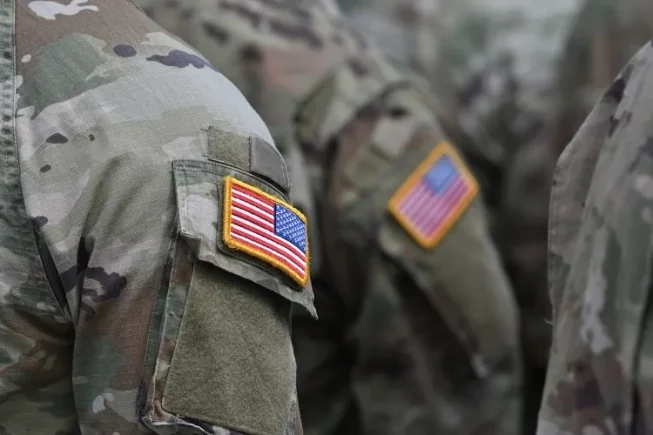
The United States Army has officially raised its maximum enlistment age from 35 to 42, implementing a significant policy change designed to widen the pool of potential recruits amid shifting global security demands.
The revised policy, detailed in Army Regulation 601-210, was released on March 20 and is set to take effect on April 20. The new age limit applies to enlistment in the Regular Army, the Army National Guard, and the Army Reserve. The minimum enlistment age remains 18, though 17-year-olds may still enlist with parental consent.
The updated regulation also streamlines eligibility for some prior drug offenses. Prospective recruits with a single conviction for marijuana possession or possession of drug paraphernalia can now enlist without needing a waiver, a move officials say is intended to remove administrative barriers to entry while maintaining recruitment standards.
Army officials have stated that the revision aligns the service with broader Department of Defense standards and mirrors policies already adopted by other branches of the U.S. military. The United States Air Force and Space Force raised their enlistment age limits to 42 in 2023, and the Navy set its cap at 41 in 2022. The Marine Corps remains the outlier among the major branches, maintaining a maximum enlistment age of 28.
This is the second time in two decades the Army has expanded its enlistment age to 42. The service previously instituted a similar policy during the mid-2000s at the height of the Iraq and Afghanistan conflicts, before lowering the cap back to 35 in 2016.
While the Army has not attributed the decision to a single factor, the policy shift comes at a time of heightened geopolitical tensions and increased personnel demands across the U.S. military. The expansion is expected to open opportunities for a broader demographic of applicants, including older individuals seeking to join the armed forces as the Army adapts its recruitment strategy to meet current operational needs.


