



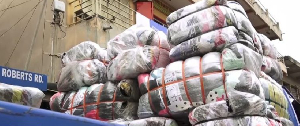
The Environmental Protection Agency (EPA) is set to introduce a stringent new regulatory framework to govern the importation of second-hand clothing, popularly known in Ghana as obroni wawu (literally “dead white man’s clothes”), in a move aimed at addressing growing environmental and health concerns.
The announcement, made on Monday, signals a major shift in policy regarding the multi-million dollar used textile trade, which has long been a staple of Ghanaian markets but has recently come under fire for contributing to pollution and undermining local textile industries.
While the specific details of the new framework are yet to be unveiled, the EPA’s intervention is expected to focus on stricter quality controls and waste management protocols. Environmentalists have for years raised the alarm over the sheer volume of unusable textile waste ending up in Ghana’s landfills, water bodies, and informal burning sites, much of which originates from consumer donations in Western countries.
The move places Ghana at the forefront of a growing global movement to hold Western nations accountable for their textile waste. Countries across East and West Africa have increasingly voiced concerns about being used as dumping grounds for fast fashion surplus that cannot be resold.
Industry observers suggest the new regulations could include higher inspection fees for shipping containers, a ban on the lowest quality materials, and legally binding commitments from importers to manage the disposal of textile waste.
The term obroni wawu has historically been used to describe the used clothing shipped from Europe and North America, but the upcoming regulations aim to ensure that this trade does not come at the expense of Ghana’s environmental health.
Stakeholders, including traders’ unions and importers, are expected to be consulted before the framework is formally gazetted, as the government seeks to balance economic interests with its commitment to sustainable development.


