



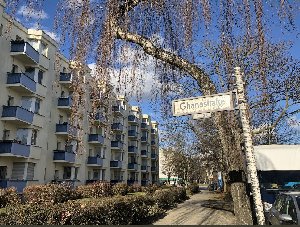
In the heart of Berlin, a street informally known as “Ghana Street” stands as a lasting tribute to the historical connections and cultural exchange between Ghana and Germany, a legacy dating back to Ghana’s early independence era.
The nickname traces its origins to the late 1950s, when Ghana, under the leadership of Kwame Nkrumah, sought international partnerships to support the newly independent nation’s development agenda. Among the key collaborations formed during this period was with the former East Germany, which provided technical assistance, vocational training, and educational opportunities for Ghanaian citizens.
Dozens of Ghanaian students and professionals travelled to East Germany during this time to pursue studies in engineering, public administration, trade, and other critical fields. Many of these individuals eventually settled in Berlin, establishing a presence that would leave an indelible mark on certain neighbourhoods of the city.
Over the decades, the area where these Ghanaian expatriates lived, worked, and gathered became informally christened “Ghana Street” by residents and visitors alike. While the name carries no official designation from Berlin’s municipal authorities, it has endured through generations as a grassroots recognition of the Ghanaian community’s contributions to the city’s social and cultural fabric.
For many, “Ghana Street” represents more than a convenient nickname—it symbolises the enduring friendship and diplomatic ties between the two nations. It stands as a testament to the educational exchanges and cross-cultural connections forged during the Cold War era, when Ghana navigated international partnerships as part of its non-aligned foreign policy.
The impact of these exchanges extended far beyond Berlin. Many Ghanaians who studied or worked in East Germany during that period eventually returned home, bringing with them valuable skills and expertise that contributed to national development. They helped build institutions, trained new generations of professionals, and strengthened Ghana’s public and private sectors.
For Ghanaian diaspora communities in Germany today, the informal landmark serves as both a reminder of these historic connections and a source of pride. It represents the tangible outcomes of international cooperation and the lasting bonds formed when nations invest in educational and cultural exchange.
Though unrecognised on official city maps, “Ghana Street” continues to be acknowledged by locals and expatriates who understand its significance—a small but meaningful monument to the power of people-to-people diplomacy and the enduring ties between Ghana and Germany.


