



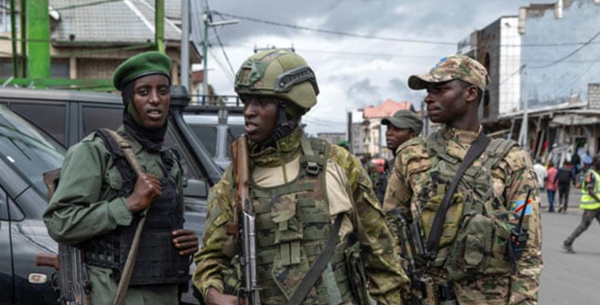
The M23 rebel group has claimed responsibility for a drone attack on the airport in Kisangani, a major city in the northeastern Democratic Republic of Congo (DRC). The incident, which the group describes as part of its ongoing military campaign, marks a significant escalation in the conflict with government forces and introduces a new, concerning dimension to the region’s security landscape.
According to statements attributed to the rebel movement, the attack was carried out using an unmanned aerial vehicle (UAV) targeting the airport’s facilities. As of now, independent verification of the extent of the damage or any potential casualties has not been possible, with Congolese authorities yet to release an official assessment.
Kisangani is a vital strategic hub in the DRC, serving as a key transportation and logistical center. Its airport is critical not only for civilian travel and trade but also for military operations and the delivery of humanitarian aid to displaced populations across the region. An attack on such essential infrastructure raises serious concerns for both security operations and civilian access to supplies and transportation.
The use of a drone in the assault signals a tactical shift for armed groups in the region, which have traditionally relied on ground offensives. Security analysts suggest the introduction of aerial warfare into the conflict could significantly complicate efforts to stabilize eastern Congo and may herald a more dangerous phase of the insurgency.
The M23’s resurgence in recent months has led to intense clashes with the Congolese military, displacing thousands of civilians and worsening a severe humanitarian crisis. Communities in the eastern provinces continue to face acute insecurity, with limited access to basic services and ongoing instability.
The reported drone strike has drawn widespread concern from international observers and regional organizations, who fear broader implications for the stability of the Great Lakes region. While government officials are expected to conduct a thorough investigation, diplomatic efforts to encourage dialogue and de-escalation are ongoing. Regional leaders have repeatedly called for a peaceful resolution to the conflict and respect for national sovereignty.
As the situation develops, the immediate focus remains on protecting civilians and preventing further escalation. This incident underscores the rapidly evolving nature of the conflict in the DRC and the urgent need for a coordinated response to safeguard critical infrastructure and restore lasting peace.


