



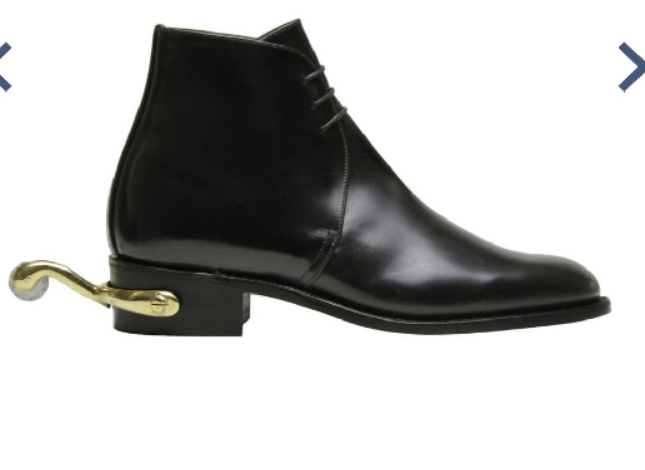
The Inspector-General of Police, IGP Yohuno, found himself at the center of a national conversation on Tuesday, not for a security briefing or policy announcement, but for the shoes he wore to Ghana’s 2026 State of the Nation Address (SONA).
The SONA, a formal parliamentary event attended by the President, members of parliament, the judiciary, diplomats, and top security brass, is traditionally a display of conservative and classic official attire. However, IGP Yohuno’s choice of footwear, which deviated from the standard black formal shoe, quickly became a sensation, sparking widespread debate across social media and the public sphere.
Images and clips from the event circulated rapidly on platforms like Facebook, X (formerly Twitter), TikTok, and Instagram, with Ghanaians zooming in on the police chief’s shoes. The reaction was swiftly divided, transforming a minor detail of attire into a major topic of national discourse.
A significant portion of the public praised the IGP’s look, interpreting it as a bold, modern, and fashionable statement. Supporters argued that the footwear reflected confidence and individuality, suggesting that high-ranking officials can maintain professionalism while still expressing personal style. Many viewed it as a refreshing break from rigid formal dress codes, making the IGP appear more relatable and contemporary to the average Ghanaian.
Conversely, critics contended that the State of the Nation Address is a strictly formal and solemn national ceremony that demands traditional and conservative dressing from all state officials, particularly those in the highest offices. They expressed concern that such an appearance could be seen as a lapse in judgment, inappropriate for the dignity and seriousness of the occasion.
The conversation quickly evolved from a simple fashion critique into a broader debate about image, leadership, professionalism, and public perception in the digital age. Analysts and commentators noted that the incident highlights how public officials are now scrutinized not only on their policies and performance but also on their public presentation.
“It shows that in today’s media environment, symbolism and image management are powerful tools that can shape public narratives about leaders,” one political analyst observed. “Even seemingly minor details can dominate the news cycle and influence how authority figures are perceived.”
The IGP has not yet issued any public comment regarding the attention his footwear has garnered. Nevertheless, the widespread reaction underscores a cultural moment, sparking a national discussion about the balance between tradition and modernity, the evolving expectations of public officials, and the powerful role of image in Ghana’s contemporary democratic space.


