



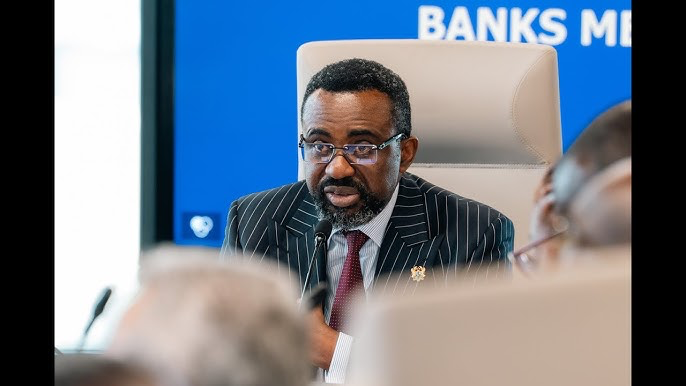
The Bank of Ghana’s Monetary Policy Committee (MPC) has unanimously voted to keep the policy rate at 14%, with all seven members citing external risks, rising inflation and exchange-rate pressures as key reasons for maintaining a cautious stance.
The decision was captured in the individual policy decisions submitted by each member of the committee and released by the central bank. The unanimous vote means the benchmark rate, which influences commercial lending rates, inflation expectations and broader financial conditions, remains unchanged.
The MPC is chaired by the Governor of the Bank of Ghana and is responsible for formulating monetary policy to ensure price stability. The release of individual policy decisions offers rare insight into the thinking of each member and underscores the committee’s collective caution at a time when Ghana’s economy is showing strong growth but remains exposed to global and domestic shocks.
According to the document, the majority of members cited external risks to the economy and concerns about rising inflation as their major reasons for the rate hold.
One member, identified in the document as MPC Member 1, argued that the external environment has become less favourable, warning that this “could be exacerbated by potential weather-related disruptions associated with El Niño.”
The member maintained that “these developments pose upside risks to the inflation outlook and warrant a cautious monetary policy stance.”
“For Ghana, these developments could lead to higher imported inflation and renewed pressure on the exchange rate and external sector,” the member expressed worry.
Another member cited rising fuel and food prices, as well as shipping costs, resulting from higher energy and transport costs, as major concerns.
A careful review of the decision document showed that the majority of members who voted to maintain the rate believed keeping it unchanged would allow the committee to “assess the persistence of recent inflation developments and the potential impact of external shocks on the medium-term inflation path.”
Inflation, reserves and exchange-rate concerns
Inflation was a central concern for all seven members, particularly the drivers of non-food inflation. Their worries were influenced by the “quarterly utility tariff adjustment and rising domestic petroleum prices.”
However, some members remained optimistic that, despite recent pressures, inflation would fall back to the medium-term target of 8 percent, with a tolerance band of ±2 percentage points. Others were more worried about potential exchange-rate pressures arising from heightened external uncertainty.
The majority also highlighted the resilience of the Ghanaian economy despite recent pressures. Some members cited real Gross Domestic Product (GDP) growth of 6.0 percent in the second quarter of 2026, while the Composite Index of Economic Activity (CIEA) expanded by 14.9 percent year-on-year in July 2026, signalling continued growth momentum.
Business and consumer confidence also remained near historical highs, and private sector credit growth has accelerated.
However, Ghana’s international reserves declined from a high of US12 billion on 22 September 2026, due to record-elevated payment obligations and rising external debt service in the period ahead.
Balancing act
The unanimous decision to hold the policy rate at 14 percent reflects the delicate balance the central bank is trying to strike: supporting an economy with strong growth momentum while guarding against inflation and exchange-rate risks that could derail the recovery.
By keeping the rate unchanged, the MPC appears to want more time to assess whether recent inflation developments are temporary or persistent, and how external shocks — from weather disruptions to global energy prices — could shape the medium-term inflation path.
The Bank of Ghana is expected to continue monitoring developments and will keep the market informed as it assesses the evolving economic environment.


