



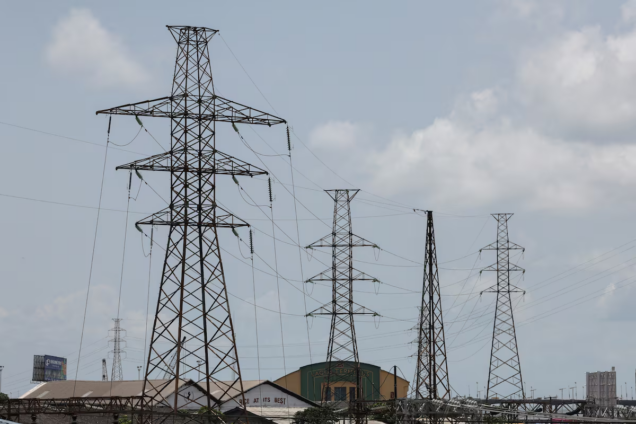
Ghana’s electricity generation declined by 3.99% on a month-on-month basis in July 2026, but recorded a 6.20% increase year-on-year, according to a Fact Sheet released by the Public Utilities Regulatory Commission (PURC).
The report, based on data compiled from the Daily Generation Reports of the Ghana Grid Company Ltd. (GRIDCo), provides a comprehensive snapshot of the country’s electricity supply performance for July 2026, covering generation, system demand, available capacity, reserve margin, and cross-border electricity trade.
Seasonal factors drive monthly decline
The month-on-month decline in generation has been attributed to seasonal changes and improved weather conditions, which typically result in lower demand during certain periods of the year. Despite the monthly dip, the sustained year-on-year growth indicates underlying resilience in the power sector.
However, the intermittent decline has raised concerns about the need for closer monitoring of generation availability and fuel supply to ensure reliable electricity delivery to consumers.
Thermal power dominates generation mix
As of July 2026, Ghana’s electricity generation mix comprised hydro, thermal, and renewable sources. Thermal power remained the dominant source, contributing 74.33% of total electricity generated during the month. Hydro and solar generation together accounted for the remaining 25.67%.
This heavy reliance on thermal generation has significant implications for fuel supply reliability. The current generation mix suggests that fuel availability and thermal plant performance remain critical determinants of electricity supply stability.
The hydro-thermal generation mix has been set at 20.90% hydro and 79.10% thermal for the third quarter of 2026, according to the PURC’s tariff review mechanism. This ratio has remained unchanged from the previous quarter.
Thermal generation challenges
Ghana’s thermal generation sector is heavily reliant on natural gas, with liquid fuels serving as backup. In recent years, the thermal generation share has grown due to reduced hydro inflows, but periodic natural gas shortages have forced expensive spikes in liquid fuel usage, according to industry reports.
The Energy Commission’s 2026 outlook places Ghana’s dependable installed capacity at about 5,455 MW against peak demand near 4,300 MW, representing a reserve margin above 25 percent. However, scheduled power plant outages mean the reserve margin is expected to remain below the recommended 18% threshold for 11 of the 12 months of 2026.
The government has also approved nearly 1,000 megawatts of new generation capacity and plans to procure a 200-megawatt battery storage system to enhance grid stability and manage peak demand.
System peak demand trends
The national electricity system recorded a peak demand of 3,968 megawatts in July 2026. This represents the lowest peak demand following successive declines from the annual peak recorded in April 2026.
On a year-on-year basis, however, peak demand increased by 6.61% compared to July 2025, indicating sustained growth in electricity consumption. This upward trajectory in demand presents ongoing challenges for system operators.
The peak demand was lower than earlier projections. The Energy Commission had previously reported that Ghana’s 2024 system peak demand was projected at about 3,788 MW. More recent estimates from early 2025 placed peak domestic demand between 4,300 and 4,400 megawatts under the rollout of the government’s 24-Hour Economy agenda.
Grid stability concerns
The power system’s stability came under scrutiny following a significant disturbance in July 2026. On July 29, 2026, GRIDCo reported a power system disturbance on the National Interconnected Transmission System at approximately 3:11 a.m., which resulted in the simultaneous tripping of some generating plants across the national power system.
The incident caused widespread electricity supply interruptions across parts of the country, including Accra and Kumasi. GRIDCo engineers worked to restore power while launching a comprehensive technical investigation to determine the precise cause of the system event.
GRIDCo, established in December 2006 following a major energy sector reform, is responsible for transmitting electricity through Ghana’s National Interconnected Transmission System, delivering power from wholesale suppliers including Independent Power Producers and the Volta River Authority to bulk customers and distribution utilities in Ghana and parts of West Africa.
Policy implications
The mixed performance in electricity generation highlights several key challenges for Ghana’s power sector. The heavy reliance on thermal generation, particularly natural gas, exposes the system to fuel supply disruptions. The rising demand trajectory, combined with reserve margin constraints, points to the need for continued investment in both generation capacity and grid infrastructure.
The government has maintained that Ghana does not lack generation capacity, with installed capacity approaching 6,000 megawatts against peak demand ranging between 4,300 and 4,400 megawatts. However, officials have acknowledged that challenges remain in reserve margins and distribution infrastructure.
With electricity tariffs rising by 3.49% effective July 1, 2026, driven by movements in the Cedi-Dollar exchange rate, domestic inflation, and the cost of natural gas, consumers are bearing the cost of these systemic challenges.
As demand continues to grow, driven by economic expansion and emerging sectors such as electric vehicle adoption, the pressure on Ghana’s power system is expected to intensify. The reserve margin is projected to remain below recommended levels for most of 2026. Ensuring reliable electricity supply will require ongoing investment, improved operational efficiency, and careful management of the generation mix.


