



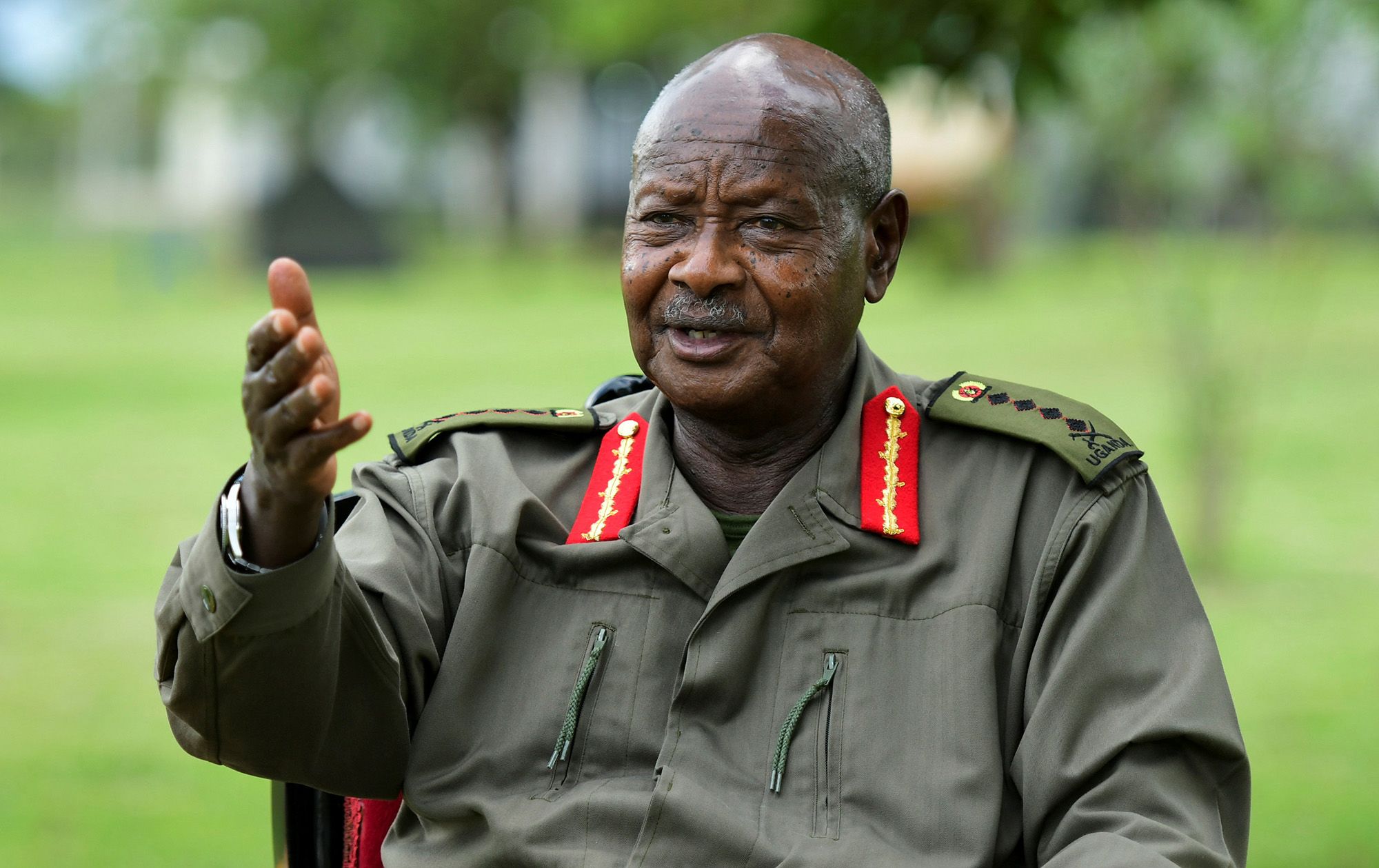
More than three-quarters of Ugandans—those under the age of 40—have lived their entire lives under the leadership of a single president, Yoweri Museveni. Having taken power in 1986 after an armed rebellion, the 81-year-old leader shows little indication of stepping aside.
Museveni’s decades in office have coincided with relative peace and notable development, achievements for which many Ugandans remain appreciative. However, critics argue that his prolonged rule has been sustained through the marginalisation of political opponents and the weakening of independent institutions.
“We don’t believe in presidential term limits,” Museveni once told the BBC after securing a fifth electoral victory. A year later, the constitutional age limit for presidential candidates was scrapped—a move widely viewed as clearing the path for him to remain in power indefinitely.
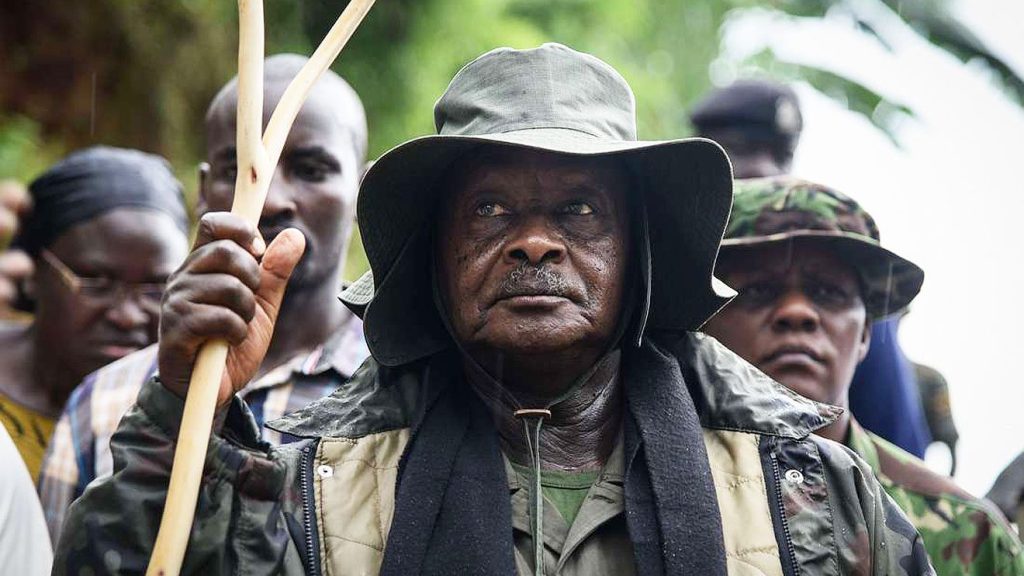
Born in 1944 to a cattle-keeping family in Ankole, western Uganda, Museveni grew up during the country’s fight for independence from British rule, followed by years of violence and instability under leaders Milton Obote and Idi Amin.
In his memoir, Museveni recalled that for much of his early life, survival took precedence over personal details, including knowing his exact date of birth, amid widespread killings and looting.
He left Uganda in 1967 to study economics and political science at the University of Dar es Salaam in Tanzania, where he built connections with politically active students from across the region.
Museveni rose to prominence in the 1970s following the military coup that brought Idi Amin to power. He became involved in resistance efforts, helping to form the Front for National Salvation—one of several rebel groups that, with backing from Tanzania, eventually overthrew Amin.
Amin’s eight-year rule was marked by brutal repression, including the expulsion of Uganda’s Asian community and the deaths of an estimated 400,000 people, setting the stage for Museveni’s eventual ascent to power.


