



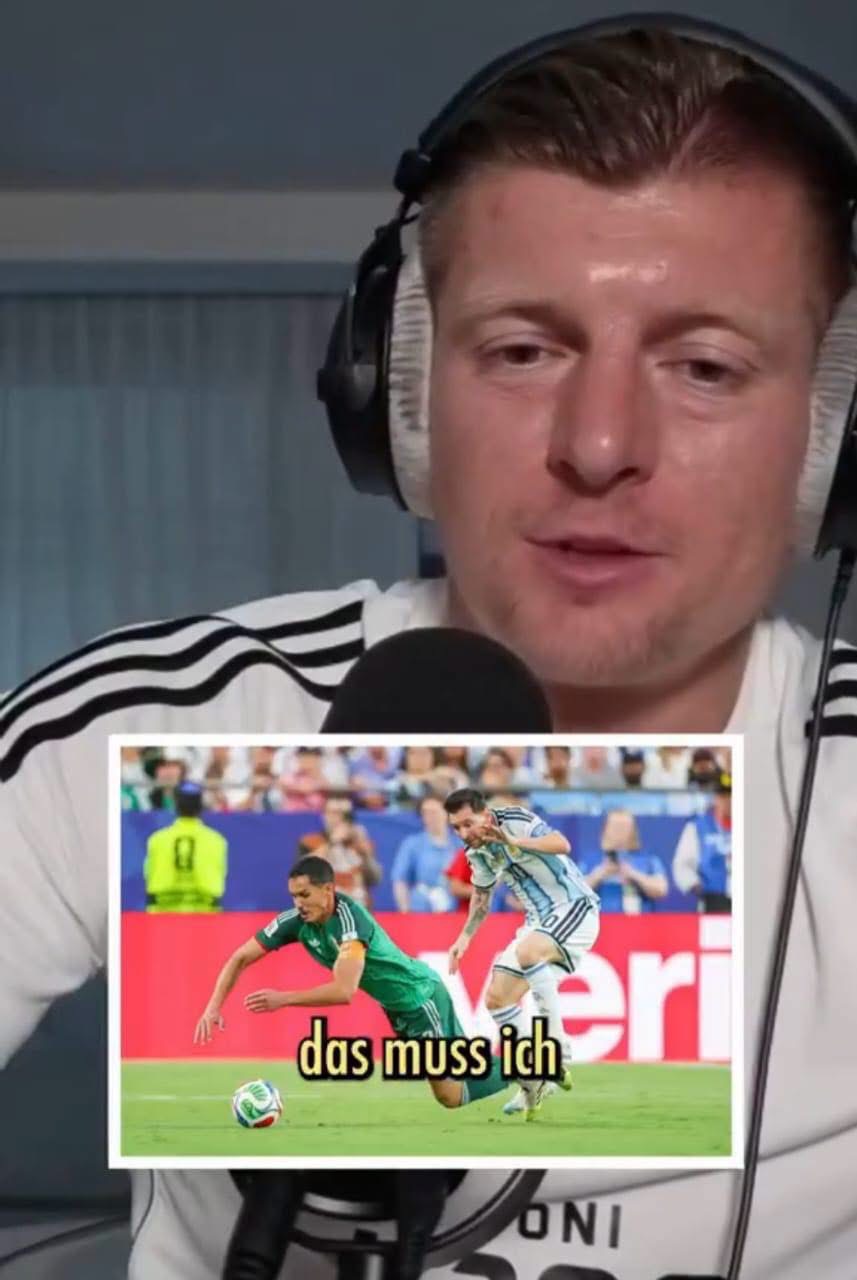
Toni Kroos has weighed in on one of the most debated moments of the 2026 World Cup so far, saying he would have felt “very sorry” if Lionel Messi had been sent off for a dangerous challenge during Argentina’s 3-0 win over Algeria.
The incident occurred in the 32nd minute at the Khalifa International Stadium. Messi, chasing a loose ball, planted his studs into the lower calf and Achilles area of Algeria defender Aïssa Mandi while attempting to win possession. Referee Szymon Marciniak, the Polish official who took charge of the 2022 World Cup final, awarded only a free‑kick to Algeria. Remarkably, the VAR crew did not intervene for a potential review.
Television replays immediately sparked outrage. ESPN pundits Alejandro Moreno and Shaka Hislop both branded the tackle “a clear red card,” with Moreno adding that the non‑call “reinforces the perception that the biggest stars get preferential treatment.” Social media erupted, too. One post read: “Messi escapes a red and VAR doesn’t even check. Just give Argentina the trophy already.”
Yet Kroos, the recently retired German midfield legend who won the World Cup with his country in 2014, offered a strikingly sympathetic take.
“I think it’s acceptable, ” Kroos told German broadcaster ZDF after the match. “I would have felt very sorry if he had been forced to watch two matches from the stands. ”
His comment alluded to the automatic suspension that typically follows a straight red card in FIFA tournaments — a ban that would have sidelined Messi for at least two group‑stage games, given the severity of the tackle. That, Kroos suggested, would have been a disproportionate punishment for a player of Messi’s stature and a blow to the tournament’s entertainment value.
The night, after all, belonged to Messi. His hat‑trick — goals in the 18th, 56th and 82nd minutes — took his career World Cup tally to 16, equaling the all‑time record held by Germany’s Miroslav Klose, a former teammate of Kroos in the national setup.
But the refereeing controversy refuses to fade. South Africa head coach Hugo Broos publicly questioned the consistency of officiating, pointing out that his own midfielder, Sipho Zwide, received a three‑match ban for a similar foul earlier in the tournament. “One rule for some, another for others,” Broos told reporters.
With three red cards and three suspensions already handed out in the opening week of the 2026 finals, scrutiny over disciplinary standards is mounting. FIFA has yet to issue a statement on the Marciniak‑VAR decision, but sources suggest the officiating committee is reviewing the non‑intervention as part of its routine post‑match assessment.
For Kroos, however, the bigger picture is clear. In a World Cup where every game carries historic weight, keeping the game’s greatest showman on the pitch may be the most pragmatic — and perhaps the most poetic — outcome. Whether that sentiment aligns with the letter of the law is a debate that will linger long after the final whistle.


